
Washington DUI Laws: Alcohol, Cannabis, and Drugs
Washington’s DUI statute prohibits driving while affected by alcohol, cannabis, or drugs. Convictions can result from per se limits or impairment evidence. Drivers have a few defenses available.


Washington’s DUI statute prohibits driving while affected by alcohol, cannabis, or drugs. Convictions can result from per se limits or impairment evidence. Drivers have a few defenses available.
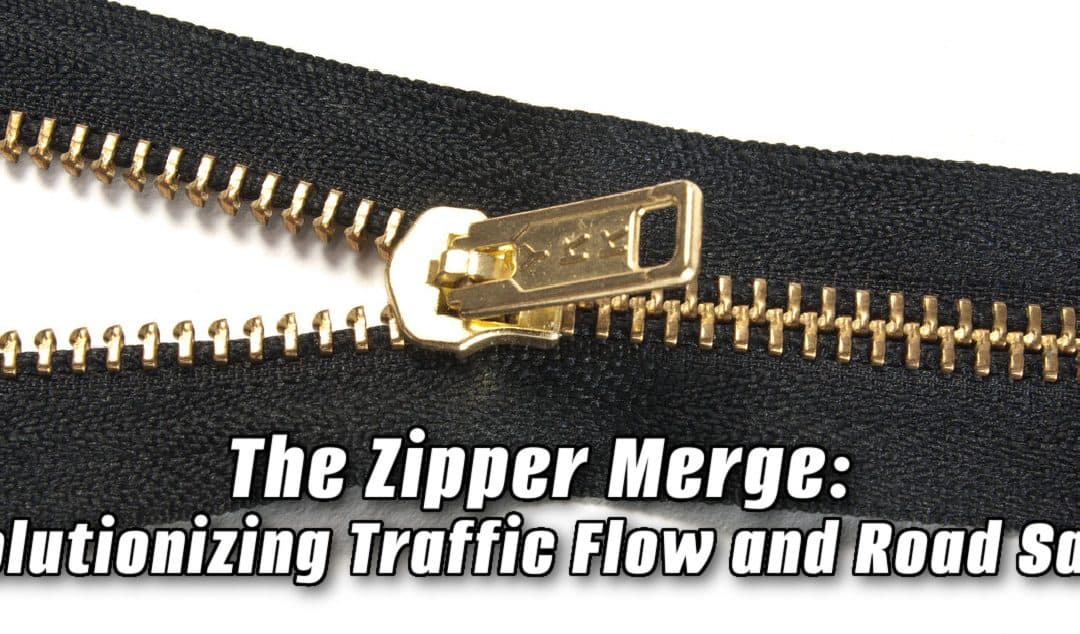
The zipper merge is a lane merging technique that improves traffic flow, reduces congestion, and enhances road safety by encouraging drivers to utilize all available lanes until the designated merge point, where they alternate merging into the open lane.

Washington faces an alarming motorcycle safety crisis, with fatalities hitting an all-time high of 137 in 2023. Speeding, losing control on curves, and riding impaired are leading causes.
After a not-at-fault car accident, prioritize safety, call the police, gather evidence, exchange information, notify your insurer, seek medical attention, and consider legal advice. Keep detailed records and communicate with your insurance company for a fair resolution.
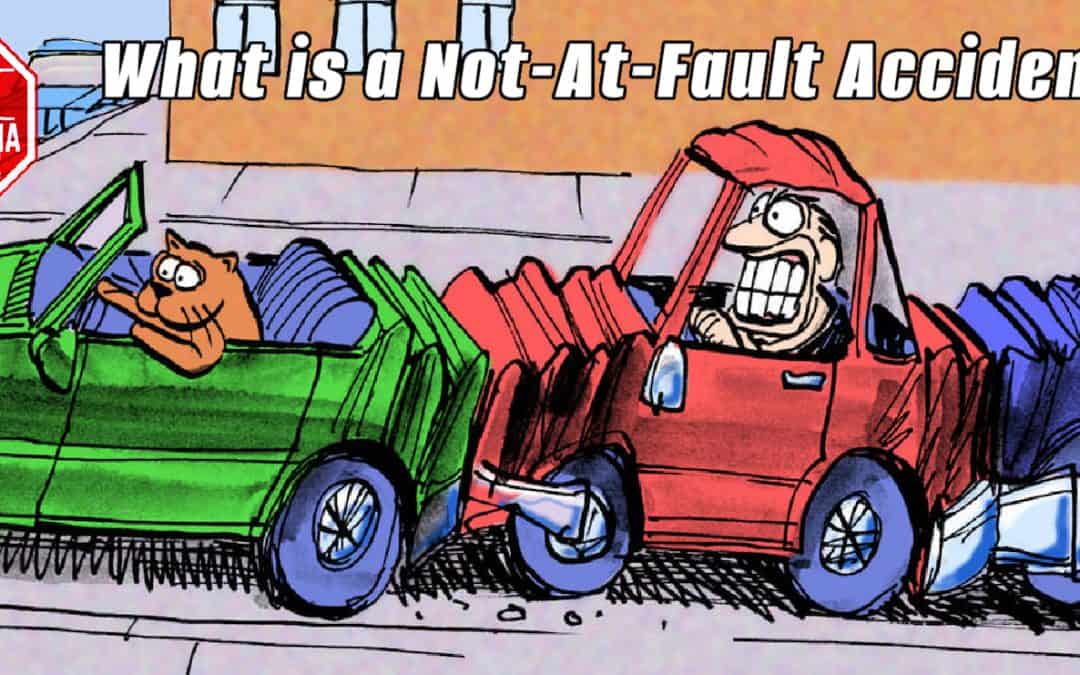
In Washington state, a not-at-fault accident is a collision where the driver is not deemed responsible for causing the crash. Fault determination involves evaluating negligence, traffic law violations, comparative fault, and evidence.